Bahawalpur
Bahawalpur
Bahawalpur: A Legacy of Grandeur on the Desert Frontier
Bahawalpur offers a distinct panorama of southern Punjab, where an enduring princely heritage converges with the vast expanse of the Cholistan Desert. This city provides a unique intersection of history, culture, and natural landscapes, inviting exploration beyond the conventional.
Historical Overview
Established in 1748 by Nawab Muhammad Bahawal Khan II, Bahawalpur emerged as the capital of the former princely state bearing its name. For over two centuries, the state was governed by the Abbasi family, whose patronage shaped much of its architectural and cultural identity. The Nawabs of Bahawalpur were instrumental in developing the region, commissioning significant public works, educational institutions, and opulent palaces that stand as testaments to their era. Following the partition of British India in 1947, Bahawalpur was one of the first princely states to accede to Pakistan, seamlessly integrating its rich legacy into the new nation.
The Bahawalpur Experience: Culture, Landscape, and Reasons to Visit
Visiting Bahawalpur presents an opportunity to engage with a unique cultural fabric and diverse geography:
- Architectural Heritage: The city is renowned for its splendid architecture. Key landmarks include the opulent Noor Mahal, a striking Italianate palace; the Darbar Mahal, reflecting traditional subcontinental design; and the Bahawalpur Central Library, a magnificent Victorian-era building. The Bahawalpur Museum further chronicles the region's history, art, and ethnography.
- Gateway to Cholistan: Bahawalpur serves as the primary access point to the Cholistan Desert. This arid landscape is home to the historic Derawar Fort, a colossal structure visible from afar, and provides opportunities for desert safaris, offering glimpses into a unique ecosystem and the resilient lifestyle of desert communities.
- Natural Environs: Lal Suhanra National Park, located near the city, protects indigenous wildlife within its varied habitats, including desert, forest, and wetland areas. It is a designated biosphere reserve, offering birdwatching and appreciation of local flora and fauna.
- Cultural Immersion: The city's bazaars pulsate with local life, offering traditional crafts, textiles, and authentic regional cuisine influenced by its princely past. The cultural ethos here retains a distinctive flavour, reflecting its deep-rooted history and the hospitality characteristic of southern Punjab.
Bahawalpur provides a compelling narrative for those interested in historical exploration, desert adventure, and cultural authenticity within Pakistan.
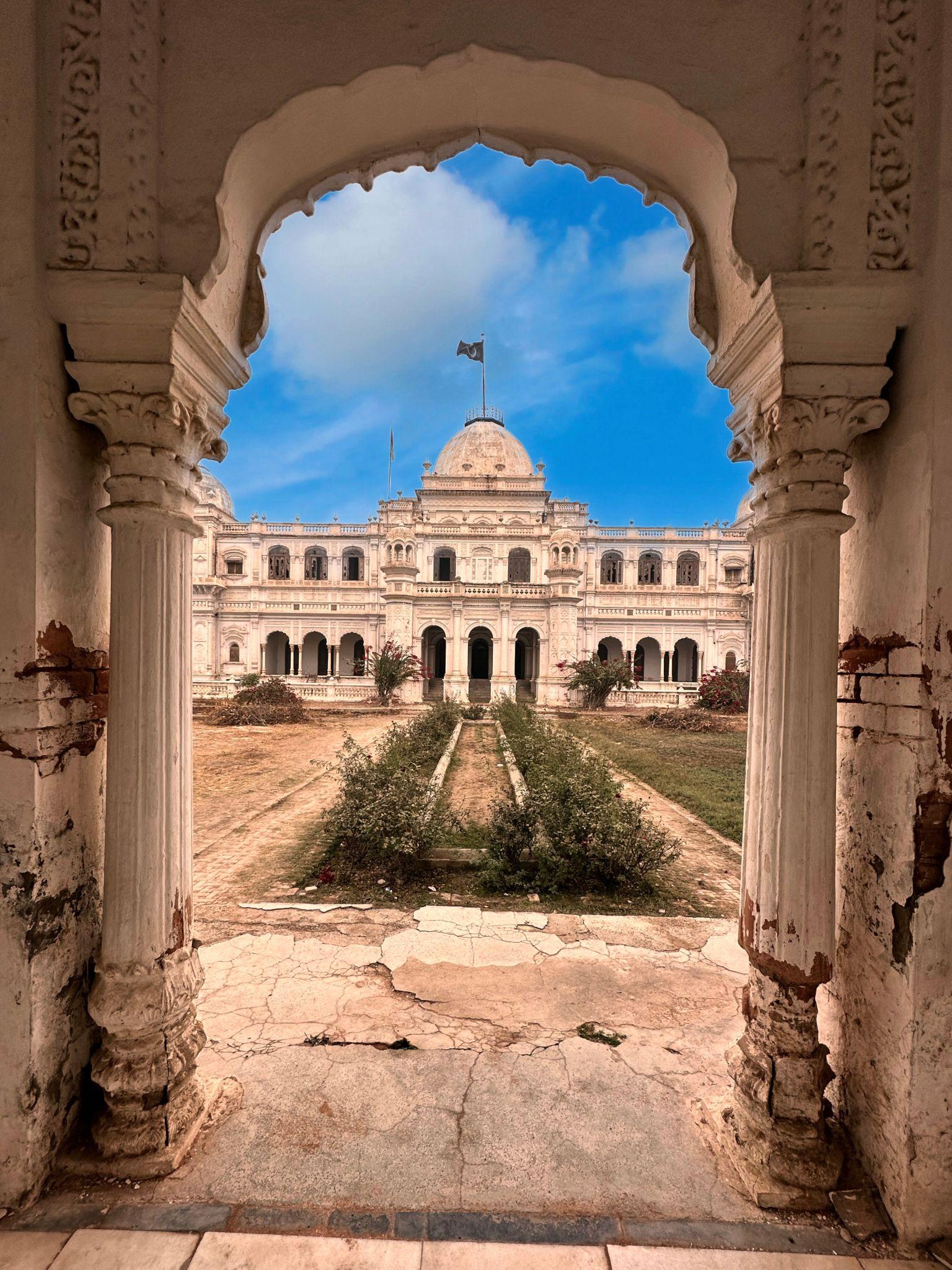 Palace
Sadiq Garh Palace
Sadiq Garh Palace is a large historical building located in Dera Nawab Sahib, near Bahawalpur. It was built by Nawab Sadiq Muhammad Khan IV...
 Palace
Darbar Mahal
Darbar Mahal is a grand palace in Bahawalpur, built in 1905 by Bahawal Khan V. It was originally used for official court meetings and state...
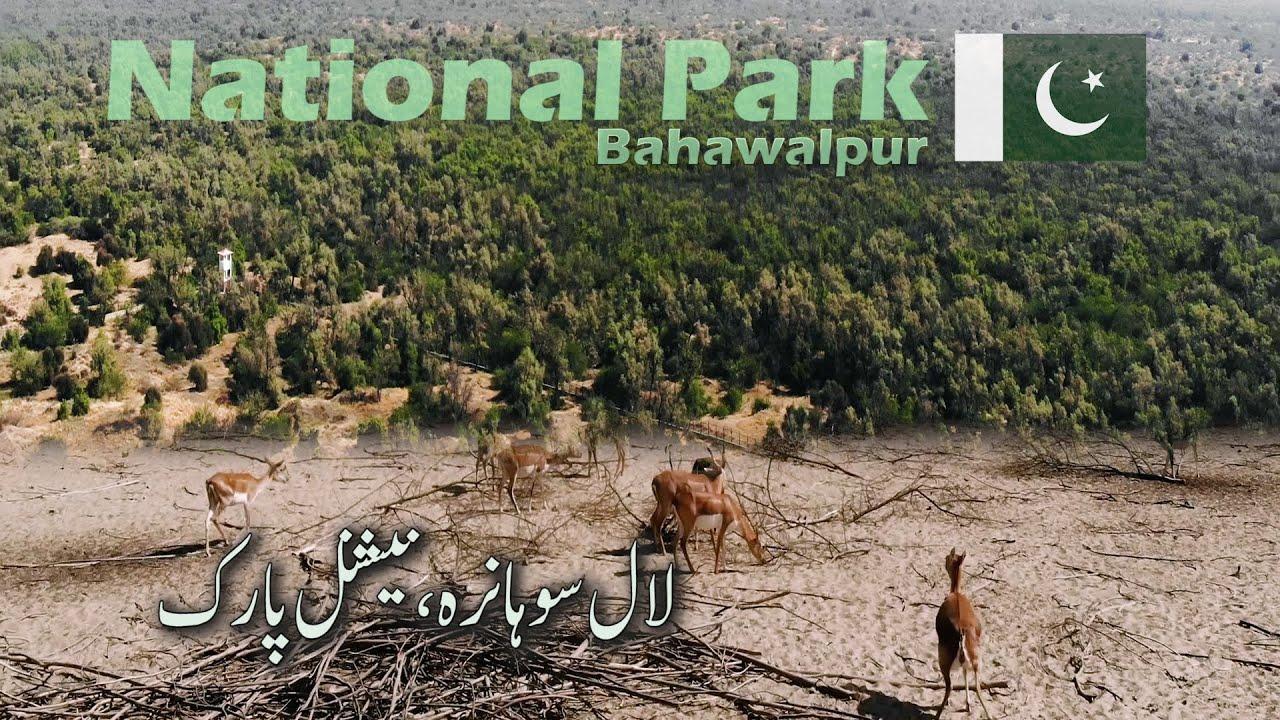 City Park
Lal Suhanra National Park
Lal Suhanra National Park is a big wildlife park and a UNESCO Biosphere Reserve in Bahawalpur. It was set up in 1972. The park has different...
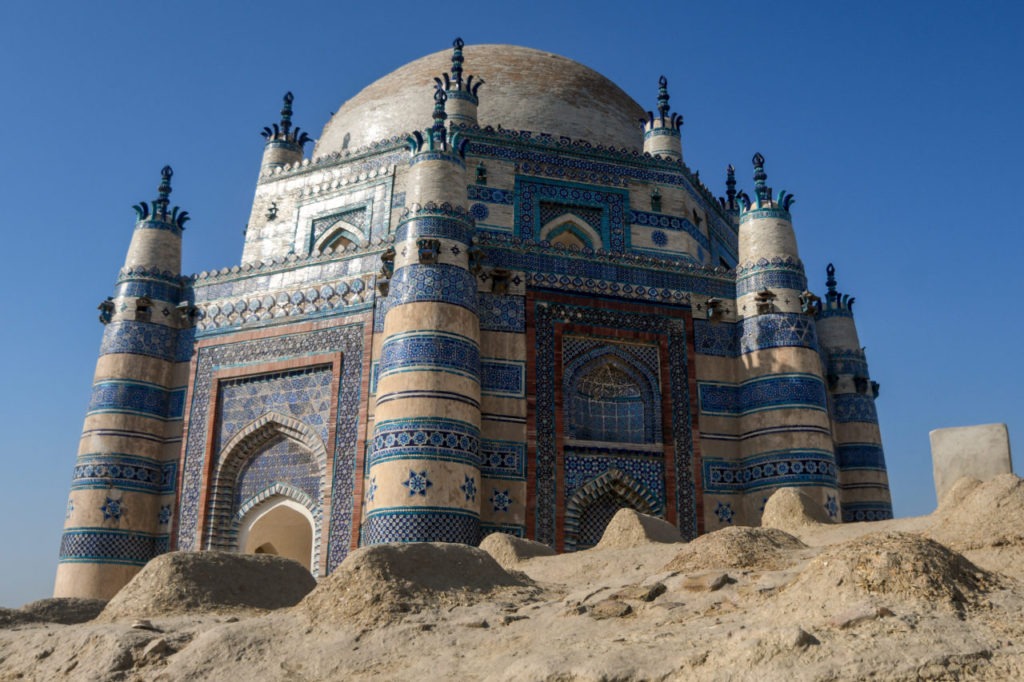 Monument
Uch Sharif
Uch Sharif is an ancient town in Bahawalpur District, Pakistan. It holds many old shrines and monuments. These buildings belong to Sufi sain...
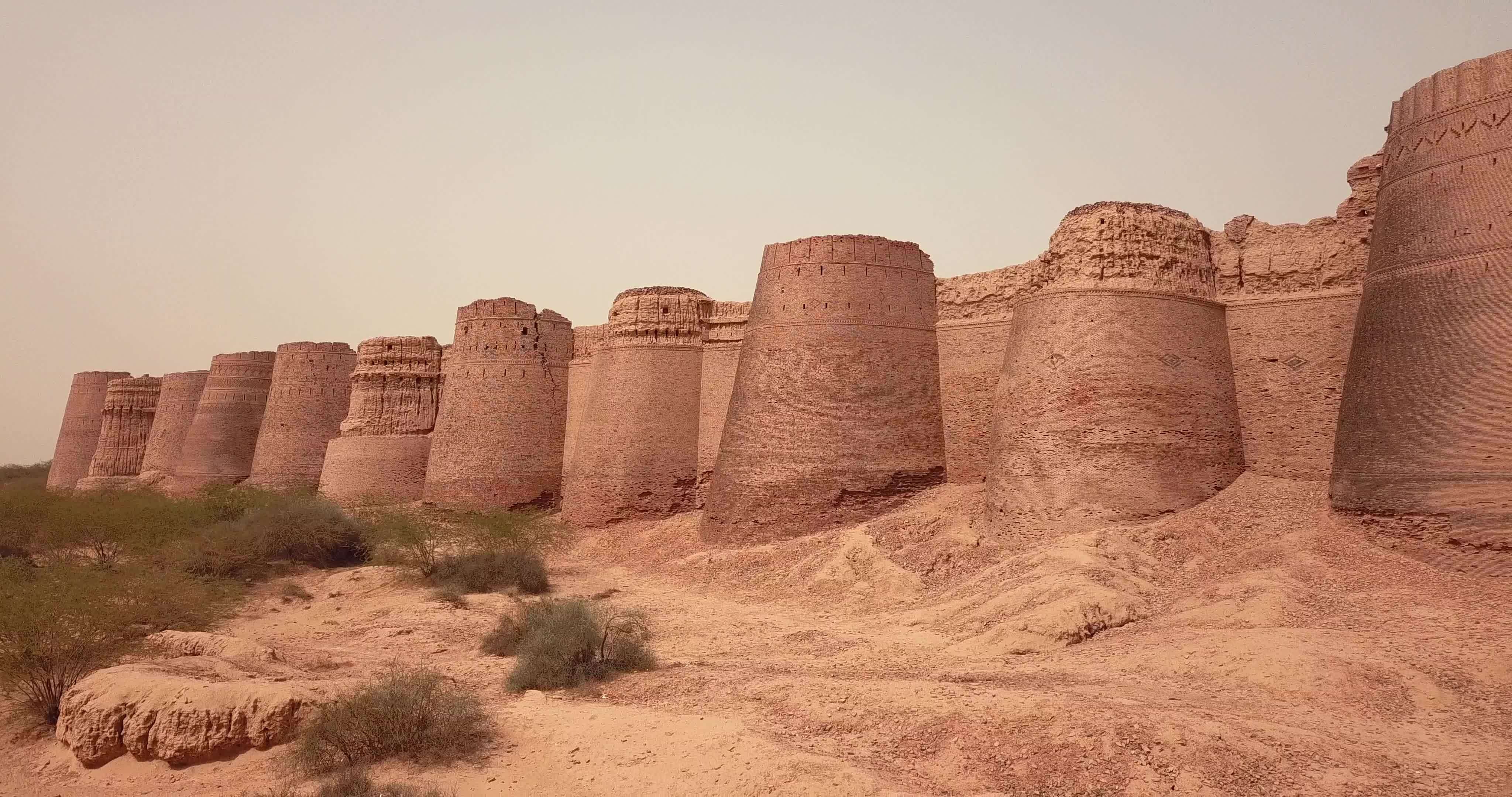 Fort
Fort
Derawar Fort
Derawar Fort is a large, strong fort in the Cholistan Desert. It has forty tall walls that stand in a square shape. The fort was first built...
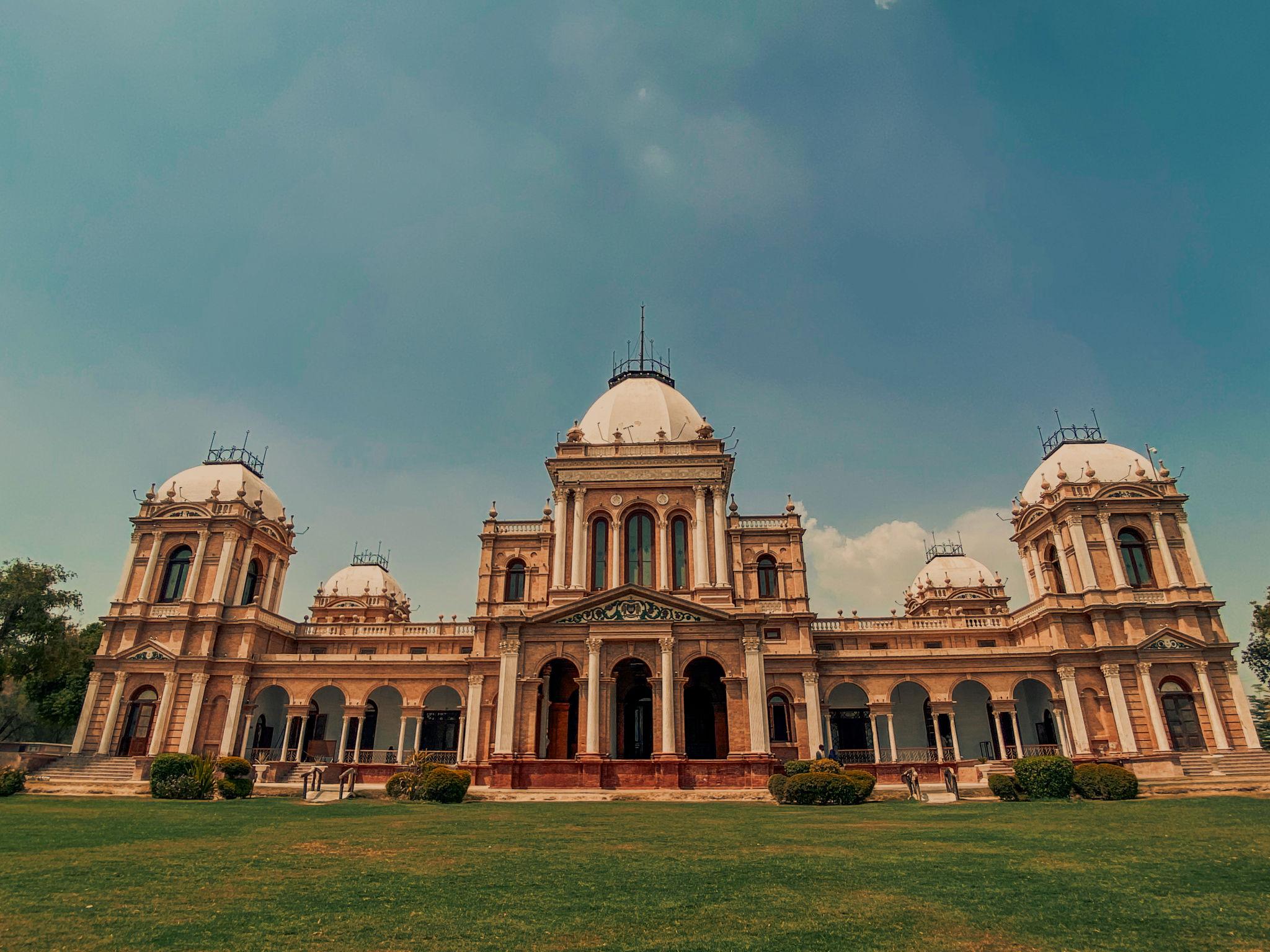 Palace
Noor Mahal
Noor Mahal is a grand palace in Bahawalpur, Pakistan. It was built in 1875 by Nawab Sadiq Muhammad Khan IV. The palace was used by the royal...
No stays listed for Bahawalpur yet.
Listings will appear here as operators come on board.
Become a partnerNo tours listed for Bahawalpur yet.
Listings will appear here as operators come on board.
Become a partnerNo vehicles available for Bahawalpur yet.
Listings will appear here as operators come on board.
Become a partnerNo upcoming events in Bahawalpur yet.
Listings will appear here as operators come on board.
Become a partner